EN
 ES
 AR
 DE_DE
 RU_RU
 FR
 PT
 IT
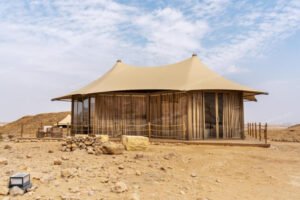
For resort developers, boutique hotel owners, and tourism investment groups exploring the outdoor hospitality sector, one of the most common questions is straightforward yet complex: how long does it actually take to build a glamping resort? The answer depends on far more than square footage—it hinges on structural engineering choices, site conditions, and the manufacturing approach behind the accommodation units themselves. Understanding these variables is essential before committing capital to a project, and this is precisely where Stars Glamping, operating under the brand name Stars Tent, offers valuable insight drawn from its work as a professional glamping tent manufacturer serving luxury resorts, eco-lodges, boutique campsites, and safari destinations worldwide.
Understanding the Variables That Shape a Glamping Resort Timeline
A glamping resort is not a single structure but an ecosystem of accommodation units, each requiring design, engineering, and installation. The timeline for any given project is shaped by several interlocking factors rather than a fixed universal number.
Site Conditions and Terrain Adaptability
Coastal, mountain, forest, and desert environments each impose different structural demands. Stars Glamping’s deployment model is built around standardized frames engineered for efficient on-site installation, specifically designed to be compatible with diverse terrains—coastal, mountain, forest, and desert alike. This terrain-agnostic approach reduces the need for bespoke engineering solutions at every new site, which in turn helps streamline the path from site preparation to installation.
Structural Complexity and Product Selection
Not all luxury tents carry the same build complexity. A compact unit such as the Luxury Tent – Octagon, with its 80×80mm galvanized steel frame and open-plan layout, represents a simpler structural proposition than a large-scale unit like the Luxury Tent – Tethys, which offers 190m² of total usable space with natural wood wall panels and a patented three-layer roof. Similarly, multi-functional suites such as the 150m² Luxury Tent – Rhea—engineered to withstand up to level-12 gales using a three-layer tensile membrane—involve more extensive structural planning than a single-zone unit. Developers should recognize that the product line selected directly influences the complexity, and therefore the pace, of each installation.
How Standardized Manufacturing Streamlines Construction
One of the defining characteristics of Stars Glamping’s approach is its reliance on standardized frame structures designed for efficient assembly and long-term commercial operation. Rather than engineering each unit from scratch on-site, the company’s technology platform is built on modular structural engineering and advanced membrane tensioning technology. This means that core components—hot-dip galvanized steel frames, multi-layer roofing systems combining PVDF, PVC, and Oxford fabric—are manufactured to consistent specifications before reaching the site, reducing variability and rework during installation.
This modular philosophy extends across the full product catalog, from biomimetic designs such as the spiral-profile Luxury Tent – Snails and the seashell-inspired Luxury Tent – Shell, to more conventional architectural forms like the Luxury Tent – Square with its panoramic tempered glass walls and 48m² usable space. Regardless of shape, the underlying frame and membrane systems follow the same engineering logic, which supports a more predictable installation process.
Customization Without Compromising Speed
A natural concern for developers is whether customization—often necessary to match a resort’s branding or guest experience goals—slows down construction. Stars Glamping’s service model is structured as manufacturing, implementation support, and customization combined, with a service scope covering architectural design, structural engineering, interior layout customization, and color or pattern spray painting. Because these customization options are layered onto a standardized structural base, projects can accommodate personalized exterior colors, interior layouts, and utility upgrades—such as inverter air conditioning, premium plumbing, and custom furniture systems—without starting the engineering process over for each unit.
Units like the Luxury Tent – Patron, an 86m² villa-style family tent supporting glass wall upgrades and wooden decking, or the Luxury Tent – Gemini, which supports customized spray painting and patterns to match specific hotel themes, illustrate how personalization is built into the delivery process rather than treated as an afterthought.
Material Engineering That Reduces Long-Term Downtime
Construction speed is only part of the equation; long-term operational uptime matters just as much to resort economics. Stars Glamping’s use of high-performance PVDF architectural membranes and robust galvanized steel frames ensures all-weather adaptability, including UV, flame, and mildew resistance. All fabric materials meet international flame-retardant and safety standards, and the self-cleaning PVDF membranes used in units like the Luxury Tent – Snails resist aging and environmental staining, minimizing the need for frequent repairs once a resort opens. This reduces disruption after the initial build phase, an often-overlooked component of total project timeline when maintenance delays are factored in.
Matching Tent Models to Project Scope
Different resort concepts call for different structural solutions, and selecting the right product line upfront can prevent costly redesigns later. For desert or high-temperature climates, the Luxury Tent – Diwaniyah was engineered specifically with a composite roof system and insulated sandwich boards to meet cultural and desert climate requirements, while the Luxury Tent – Libra was developed for high-temperature regions with a 90% shading rate polyethylene cloth stitched above the main roof for heat dissipation, accommodating 50 to 80 people for reception and activity purposes. For cold-climate destinations, the Luxury Tent – Uranus offers a curved steel frame and insulated tempered glass designed to remain flexible and durable in extremely cold conditions. Choosing a model already engineered for the target climate—rather than retrofitting a standard design—can meaningfully affect how smoothly a project proceeds from planning to opening.
The Role of Service Scope in Project Timelines
Because Stars Glamping’s delivery model spans hardware manufacturing through structural kits with glass and fabric components to fully customizable interior layouts, developers can select a delivery approach that matches their project’s complexity and internal construction capacity. The company’s broader industry coverage—spanning luxury glamping resorts, eco-lodges and nature retreats, boutique hotels, safari camps and wildlife lodges, wellness and yoga retreats, scenic tourist attractions, private vacation villas and estates, and outdoor event venues—reflects the range of project scales the underlying manufacturing system has been designed to support, from single luxury suites to larger multi-unit resort developments.
Planning Considerations for Resort Developers
For resort developers, boutique hotel owners, campsite operators, private landowners, and tourism investment groups evaluating a glamping project, the realistic answer to “how long will this take” depends on the interplay between site terrain, the structural scale of chosen units, and the degree of customization requested. What remains consistent across Stars Glamping’s product range—from the alpine-inspired Finnish pine frame of the Luxury Tent – Chalet Pro to the large-scale 75m² tri-zone Luxury Tent – Gaea—is a manufacturing foundation built on standardized, factory-engineered components designed for efficient assembly rather than fully bespoke on-site construction from the ground up.
Developers seeking to shorten the path between concept and opening day would be well served by prioritizing standardized, pre-engineered frame systems, selecting climate-appropriate tent models from the outset, and clarifying the desired level of interior customization early in the planning process. These factors, more than any single fixed timeframe, ultimately determine how quickly a glamping resort moves from blueprint to guest-ready reality.