DE_DE
DE_DE  EN
EN  ES
ES  AR
AR  RU_RU
RU_RU  FR
FR  PT
PT  IT
IT 
The glamping tent camp sector stays red-hot in 2026 yet presents a polarized market landscape: some operators earn millions annually from glamping resorts, while countless investors lose hundreds of thousands of dollars and struggle with persistent deficits. Most investors wonder why revenue gaps vary drastically amid identical glamping tent businesses and how to secure steady profits in 2026.
Backed with 2026 latest camp operation statistics and profit & loss data from over a thousand camps, most business failures stem not from a shrinking industry, but four fatal missteps: vicious low-price competition, improper tent selection, monotonous site layout and incompetent daily operation. This article analyzes core profit-making logic and delivers actionable solutions based on real industrial data and practical experience.
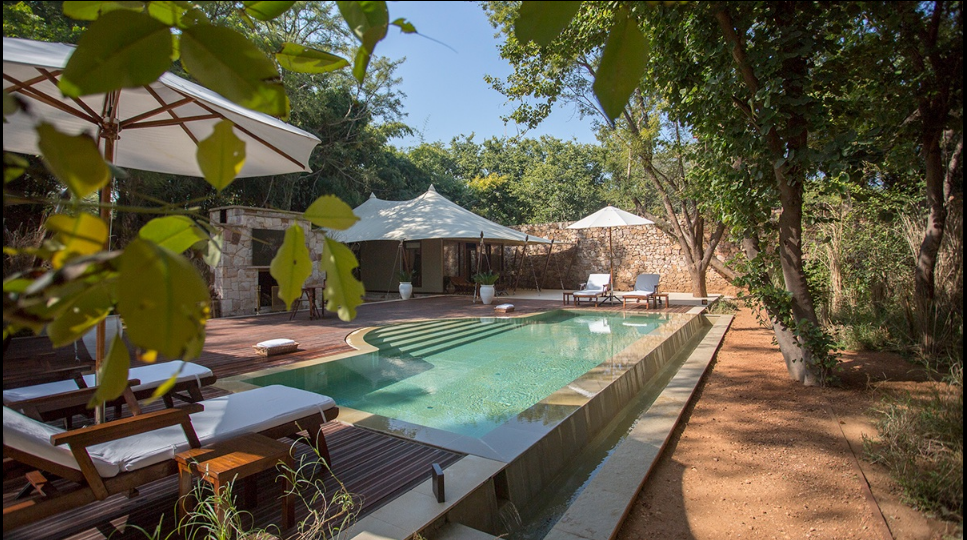
First, latest industry stats ease market concerns. Official data reveals high-end luxury glamping camps achieved a 27% year-on-year revenue growth in 2025, topping all sub-sectors of cultural tourism. In contrast, budget low-end glamping sites suffered sliding revenue with over 60% running at a loss. Such figures prove the industry has moved past brutal low-price competition; refined operation, premium quality and featured scene construction become core profit drivers for 2026.
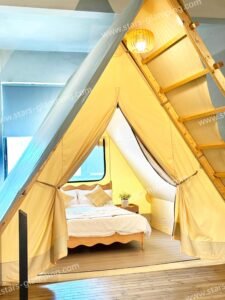
Der first costly misconception: cutting expenses recklessly by purchasing cheap inferior glamping tents. Many investors regard glamping tents as temporary shelters and opt for low-priced items blindly. However, tents serve as core products and core experience carriers for camps. Inferior tents feature poor waterproofing and thermal insulation, loud fluttering noises and plain appearances: sweltering in summer, drafty in winter and prone to rain leakage. Bad accommodation experience leads to terrible online reviews, zero repeat customers and ruined word-of-mouth. In comparison, all profitable camps prioritize premium tent quality to build differentiated customer experience.
Der second common mistake: relying solely on overnight lodging for revenue, resulting in an overly single profit structure. Traditional camps count entirely on room rates, enjoying full bookings in peak seasons yet facing empty accommodations in off-seasons with weak anti-risk capability. Top-performing profitable camps leverage glamping’s scenic advantages to build diversified income streams combining lodging, photo check-in, study tours, corporate team building, afternoon tea and on-site camping events, drastically lifting site space efficiency and overall earnings.
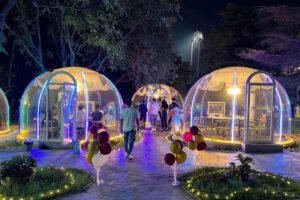
The third wrong practice: copying trending internet-famous camp templates without customized planning. Many investors follow viral dome and starry sky tent trends blindly without considering local climate, terrain features and target customer groups. Mismatched facilities fail local market demands and leave sites lacking core competitiveness.
Below are feasible implementation plans for lucrative glamping camp development in 2026:
- Upgrade products to shun low-end price wars. Abandon low-margin cheap pricing mindset and adopt tailor-made premium glamping tents with exquisite craftsmanship and cozy interiors to lift room rates. High-end glamping sites can set nightly rates from $42 to $110, far exceeding budget camps alongside higher customer satisfaction and revisit rates.
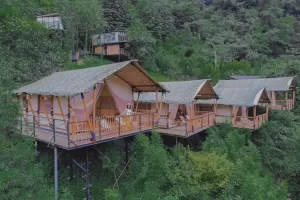
- Customize scenic layouts based on natural merits. Match tent styles, raw materials and interior furnishings to coastal, mountain, grassland or hot spring surroundings to create immersive exclusive landscapes and escape homogenized market competition.
- Partner with reliable tent manufacturers to slash long-term maintenance costs. Trustworthy original factories guarantee stable product quality plus complimentary site design, on-site installation guidance and full after-sales support to minimize investors’ trial-and-error expenses.
Guangdong Xingtu Construction Technology, operating under the brand Stars Glamping, boasts a mature full-spectrum service system for customized glamping projects. Its professional team delivers one-stop tailored design solutions aligned with clients’ land conditions, budget and market positioning for all kinds of cultural tourism projects. Supported by standardized production lines, the brand ensures consistent product quality. From preliminary site planning and on-demand production to later installation and lifelong after-sales maintenance, dedicated specialists follow up the whole project, helping investors build premium glamping camps and evade typical operational traps.
Closing Summary
Glamping tent development remains a lucrative golden track in 2026, yet the era of disorderly rapid expansion is over. Inferior low-cost duplicate camps will be phased out, while high-quality sites with exclusive scenery and refined daily management sustain long-term profits. Proper tent selection, featured scenic development and standardized operation pave the way for sustainable glamping profitability.